Key Takeaways
- Exosomes have been generating significant buzz this year as an anti-aging, skin-rejuvenating ingredient in medical skincare products.
- With a commitment to educating their clients about cutting-edge skincare products, Naples-based Tru Glō Medspa explores the buzz around exosomes by answering the most frequently asked questions.
- Exosomes are tiny, membrane-bound sacs that our cells naturally produce to facilitate intercellular sharing of proteins, lipids, growth factors, microRNAs, and other genetic material.
- When used topically or in combination with other skincare therapies, exosomes act as microscopic messengers to help skin cells regulate inflammation, repair tissues, retain moisture, and boost collagen and elastin production.
If asked to name the buzzword of the year in the skincare field, the anti-aging specialists at Tru Glō Medspa would say “exosomes,” based on the increasing number of Naples, Florida-area clients who ask whether exosomes are an effective treatment. The medical spa’s aestheticians say these seem to be following the same rise in popularity as retinols, hyaluronic acid, and peptides did when they were introduced in medical skincare products. With this in mind, we think it’s the perfect time to educate our readers about exosomes for skincare and why they’re becoming so popular. So, let’s review how our skincare professionals respond to questions about them.
What Are Exosomes?
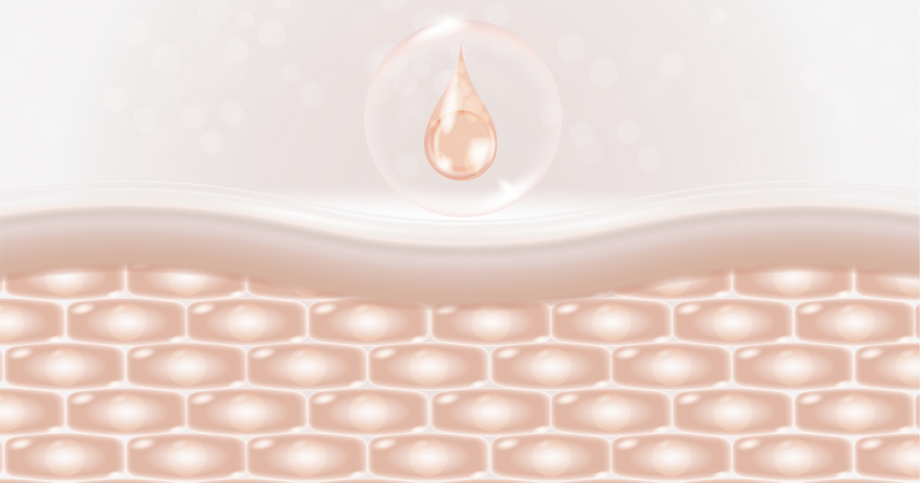
Exosomes are tiny, spherical, membrane-bound vesicles naturally produced by our cells to facilitate intercellular exchange of proteins, lipids, growth factors, microRNAs, and other genetic material. One of several vesicles produced by our cells as microscopic messengers, exosomes specifically help skin cells regulate inflammation, tissue repair, hydration, and collagen and elastin production. While this alone helps with skin regeneration, the genetic materials, such as mRNA, carried within exosomes also influence gene expression, reprogramming skin cells to act more like younger, healthier cells.
The exosomes in medical skincare products are derived from plant and animal sources, as well as from human platelets and stem cells. Plant-based exosomes, which researchers believe are the least effective, can be derived from numerous different plant species. Common animal sources include cow’s milk, goat’s milk, snail secretions, and salmon sperm (perhaps you’ve heard of the “salmon sperm facial”). Human sources, which researchers believe are the most effective for skin rejuvenation, include donated blood platelets and liposuction fat.
How Are Exosomes Used to Boost Skin Health?
As with retinols, hyaluronic acid, and peptides, manufacturers of medical-grade sinkcare products are increasingly creating formulations that include exosomes as active ingredients in serums and creams for daily at-home use. When surface receptors on skin cells recognize exosome components, the cells absorb them, allowing proteins, lipids, growth factors, and genetic material to positively influence the skin cells’ biologic activity.
For deeper, more effective exosome application, many skincare professionals, including Tru Glō Medspa, combine exosome therapy with in-office skin conditioning treatments such as microneedling and laser resurfacing. Exosomes applied to the skin during or after such procedures can penetrate deeper skin layers, where researchers believe they enhance the procedure’s effectiveness and speed healing.
What Skin Concerns do Exosomes Address?
Researchers are still uncovering the mechanisms by which skin cells utilize different exosomal components and how exosomes influence skin cell rejuvenation. Exosome components and the biological reactions they induce vary widely. A recent review of 56 studies conducted on exosomes concluded that they hold “significant potential for non-invasive cosmetic dermatology.” However, the review determined that more clinical studies are needed to assess their effectiveness and to establish standardized methods for their differentiation, harvesting, and use for cosmetic purposes.
Based on existing studies and anecdotal evidence from those using them, these have demonstrated promise in enhancing and rejuvenating skin health by:
- Boosting collagen and elastin production, which helps reduce the appearance of fine lines and wrinkles while enhancing skin firmness.
- Reducing inflammation, which helps the skin heal faster.
- Evening skin tone and reducing pigmentation.
- Easing the appearance of rosacea and similar sensitive skin concerns.
- Encouraging skin moisture retention, which enhances skin barrier protection.
- Improving overall skin glow and texture.
Studies to date have shown that human-sourced exosomes appear to yield the most significant skin rejuvenation results. However, harvesting and isolating human-sourced exosomes is challenging, making them the most expensive option for those seeking the anti-aging promise of exosomes. That said, clinical trials have determined that some plant-derived exosomes are effective at reducing the appearance of dark spots and enhancing skin moisture retention. Initial studies also indicate that deep-level exosome application, when combined with other treatments such as microneedling, provides the most effective skin rejuvenation benefits.
Explore Your Options in Naples with Tru Glō Medspa
If you’ve been hearing a lot about the exosome buzz of late and are interested in exploring whether exosomes might help you meet your anti-aging goals, the skincare experts at Naples-based Tru Glō Medspa would be glad to explain how we use them with our microneedling and laser skin resurfacing treatments. To learn more about the skin-rejuvenating benefits of exosomes, schedule an appointment via our online form or contact one of our representatives at 239.919.7009.
Additional FAQs
Q: Does the FDA approve exosomes for skincare treatment?
A: The FDA has not yet approved any exosome products for use in the medical field. However, the FDA does not require approval to market and use cosmetic products and their ingredients.
Q: Are exosomes safe?
A: The limited studies conducted on exosome use for skincare have not led to any significant adverse effects, and the only reported side effects of mild redness and irritation have been infrequently reported.
Q: How long does it take to see exosome anti-aging results?
A: The answer to this question depends on the type and application of the exosome used. Topical solutions containing human-sourced exosomes tend to deliver noticeable results more quickly than those containing exosomes from other sources, and application combined with other therapies, like microneedling, can accelerate results. However, many clients notice enhanced hydration and a more radiant glow within a week of applying some plant-based exosomes. More significant improvements, such as increased skin firmness and fewer facial lines, can take up to 8 weeks, as exosomes take time to induce cellular-level changes.
Q: Are there any restrictions on using exosomes for skincare?
A: Doctors and dermatologists recommend that women who are pregnant or breastfeeding refrain from undergoing treatment with exosome products due to the current lack of safety data addressing possible risks.